
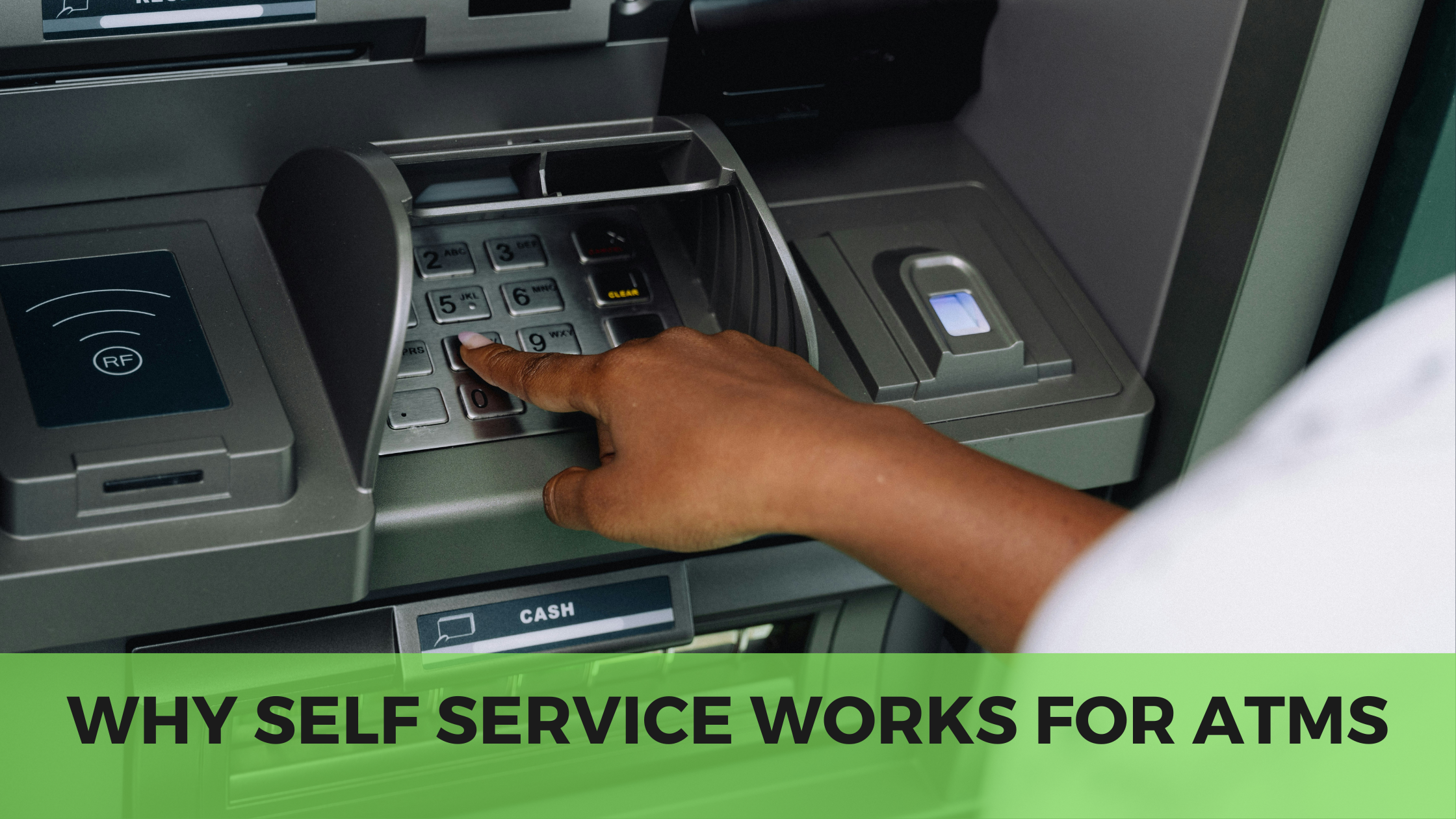
Are you familiar with the service process of personal banking called automatic teller machines (ATMs)? ATMs have been met with a high level of customer acceptance and use. Why is that?
Self-service options create value for the participants in the service process, and how it compares to the full-service option. Value is created when “benefits (including access to resources and capabilities) are perceived to be greater than costs—which include money, time, and effort—associated with obtaining these benefits.”
For a service process to be provided by the firm and used by the customer, both parties must individually realize value.
However, the value the firm and customers acquire from the service process is not independent of each other. Because of this, and due to the significant inputs that customers have into the service process, it follows then that joint firm and customer value is necessarily co-created through the interactions of service providers with the customers themselves, their property, and/or their information. (Note that co-creation is different from co-production; co-production refers specifically to the labor contributed by participants in the service process to complete service tasks.)
Recently I booked an overseas hotel and activities for our (My wife and I’s) wedding anniversary. Booking.com prompted me with discounts until I booked. After the booking, I was issued a receipt. Weeks later, I haven’t received a call from the hotel or from booking.com. It had to take me getting the booking number and asking a friend in that country to verify the booking. Thank God the booking was received.
I love to look beyond the surface, so I asked around from the users of booking.com about their services. “Those guys open their offices at 10:00 am and close by 1:00 pm”. They are only in Nairobi”, a General Manager in a Hotel told me. “One time a person showed up at our hotel without confirmation from them.” After hearing this I don’t like the booking.com self service aspect that much.
With this in mind, let’s contrast value co-creation for self-service banking using an ATM with self-service booking at booking.com.
From the perspective of a bank or a supermarket, these self-service technologies reduce the number of employees needed by transferring service tasks to the customers. So the customer’s unpaid labor replaces the paid labor of the bank teller and the supermarket cashier. This labor cost reduction benefit is offset by the costs associated with purchasing, installing, supporting, and maintaining the ATMs and self-service checkouts. Support and maintenance costs for ATMs include access to employees when customers have questions or problems, collection of deposits and restocking cash, and preventative maintenance or unscheduled repair of a malfunctioning ATM.
Self-service booking still requires employee support, with one employee monitoring confirmed bookings, liaising with the hotel, and managing expectations before travel. Although support and maintenance costs are somewhat variable by customer volume, the cost of buying and installing an ATM or self-service booking is essentially fixed. As a result, the value of these technologies to the firm increases as customer utilization of the self-service option increases and fewer employees are needed.
When designing services, know the limits of self-service and deploy the touch points
Register for our very first Service Design Workshop using the link : https://consultsudesh.com/service-design-workshop/