According to research by the Global Boyhood Initiative, only 10% of global gender-related funding is allocated to programs focused on boys and young men. The remaining 90% is directed toward female-focused initiatives.
Across the globe, and especially within Africa, there has been a vital and necessary push to support the girl child. Decades of systemic inequality denied girls access to education, healthcare, and leadership. The rise of the feminist movement has rightly reshaped our societal consciousness, launching international and local programs that empower young women to reach their full potential.
These efforts are essential and must continue. However, while we have lifted girls up, evidence suggests we have unintentionally left boys behind. In our pursuit of gender equality, the boy child is quietly becoming the forgotten child.
While we celebrate the progress of our daughters, we must look honestly at our sons. In Uganda, for example, girls are increasingly outperforming boys in national examinations. I recently reviewed our own book club data and was struck by a startling statistic: 79% of attendees are women.
It begs the question: Where are the boys when the girls are learning? Has the boy child simply given up?
The impact of under-supporting boys is already manifesting in our societal outcomes. Across East Africa, we see rising school dropout rates and the lure of “gangsterism” among young men. Many boys leave school prematurely, pressured by the “provider” trap—the need to “be a man” and earn money—only to find themselves without the skills to succeed.
Without mentorship or social support, many enter the prison system far too early, facing lifelong stigma before they’ve even had a chance to reform. Deprived of guidance, some turn to drugs, alcohol, or violence as coping mechanisms for frustration and poverty. Most tragically, many succumb to depression.
According to UNICEF, suicide rates are rising among the youth, particularly boys. While girls may attempt suicide more frequently, boys are statistically more likely to die by suicide.
When boys grow up without learning empathy, respect, and emotional intelligence, they lack the tools to treat women and girls as equals. This doesn’t just hurt men; it fuels the cycle of Gender-Based Violence (GBV) and reinforces inequality. If we continue to ignore the boy child, we are planting the seeds of broken homes, violent crime, and a lost generation.
Supporting boys does not take away from girls. This is a false choice. Boys and girls are the two halves that form the nucleus of our society: the family. Investing in boys helps girls: Boys who are taught respect and emotional maturity become men who protect and partner, rather than harm.
Investing in boys builds homes: They grow into responsible fathers and positive role models for the next generation.
Investing in boys secures communities: Productive, peaceful men reduce the burden on our prisons, hospitals, and legal systems.
A boy with healthy self-esteem and emotional intelligence is a boy empowered to confront violence rather than perpetrate it.
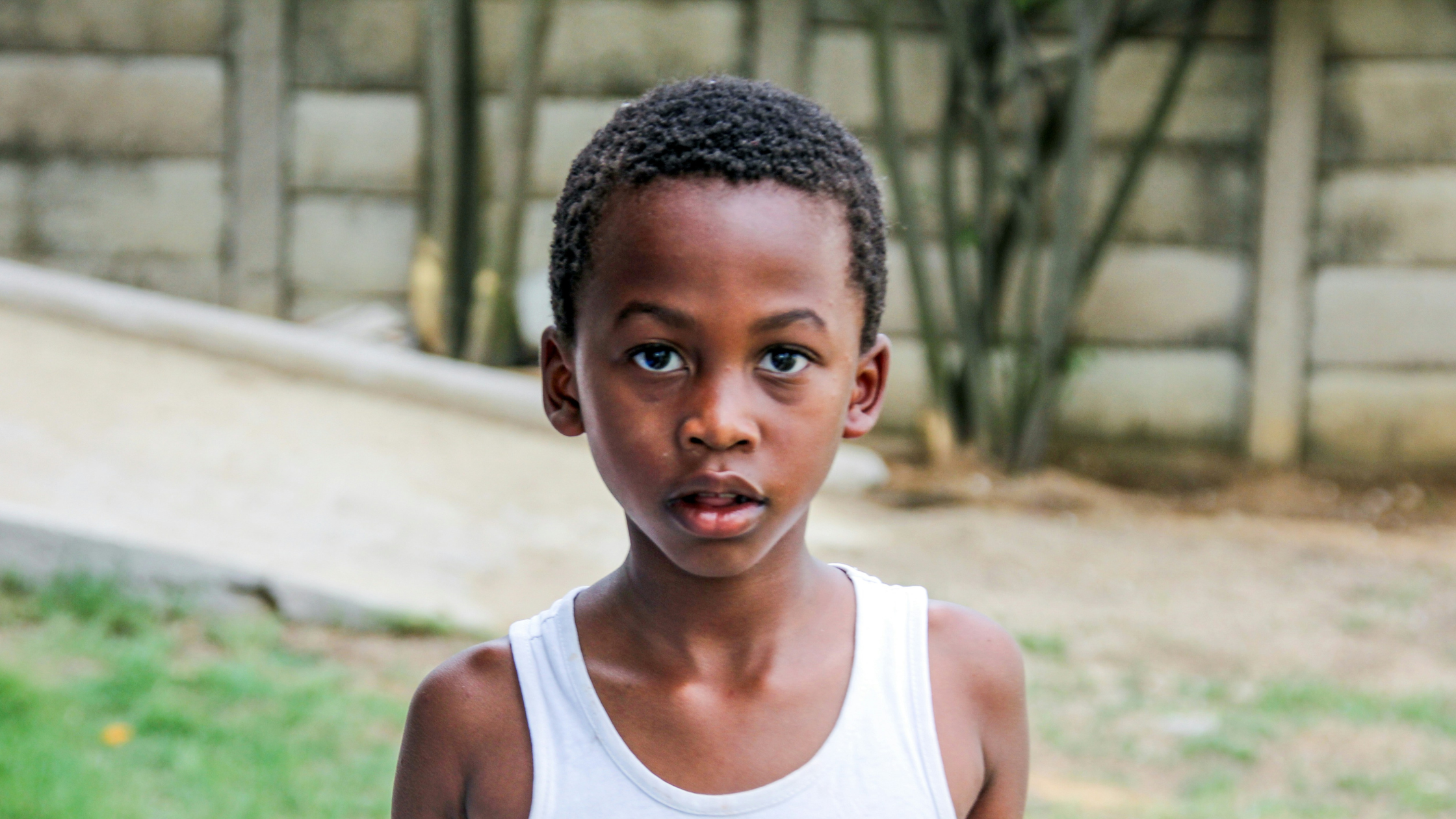
To the boys and young men across East Africa: Rise up. We, the older generation, believe in your potential. We want to see you lead, learn, and win.
Let’s go, brothers.