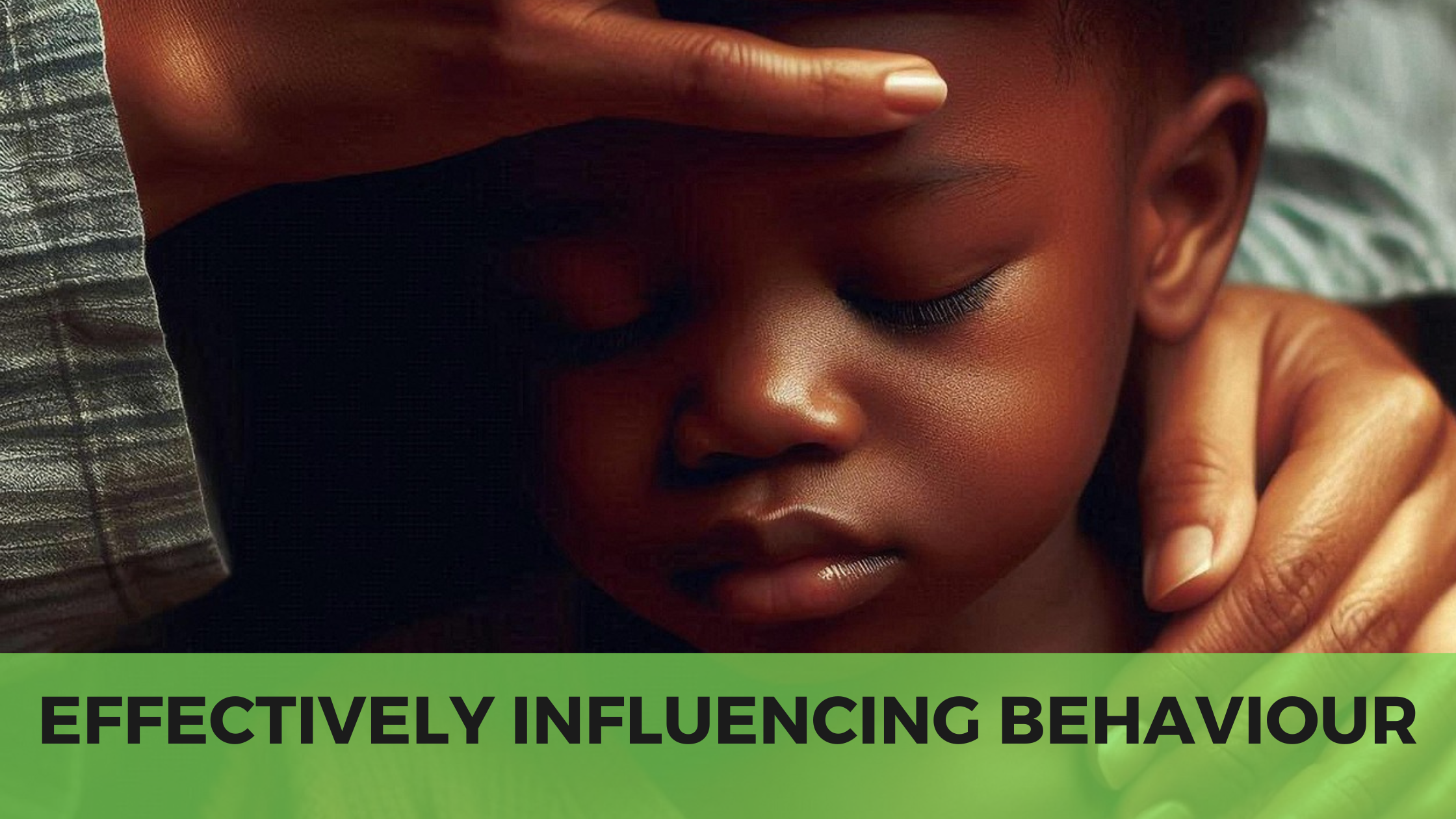
Eighty percent of my study time is spent on learning how people behave so that I can influence them and help my clients do so effectively. On this journey, I have found out that psychology is not comprehensive in understanding people’s behaviors. To explain human behavior, you also need to look at sociology, humanism, neuroscience, molecular genetics, pharmacology, psychiatry, linguistics, anthropology, pedagogy, economics, and lots of other fields.
In this quest, the goal is to work effectively with people through influence. To bridge the gap between one-time success and long- term effectiveness, you need to develop three skills in working with people. These skills are essential whether you’re a manager on the job, a parent in the home, or a teacher in the classroom.
- Understanding people’s past behavior. Recognize why people did what they did . . . what motivated them… what evoked the behavior that helped or hindered the accomplishment of tasks.
- Predicting future behavior. Understanding why people behave in a certain way is not enough. You also need to be able to predict how they will behave in the future under the same conditions but in the rapidly changing environment of today’s world.
- Directing, changing, and controlling behavior. Understanding past behavior and predicting future behavior are still not enough. You must also accept the responsibility for influencing the behavior of others in accomplishing tasks and reaching goals.
These are the three skills that determine whether leadership attempts will be successful or unsuccessful, effective or ineffective. Understanding what motivates people, predicting how they will behave in response to your leadership attempts, and directing their behavior are all necessary for effective leadership.
Note that the first two skills are passive in nature. Understanding and predicting do not require actions involving other people. The key to obtaining results is directing, changing, and controlling the efforts of people in the accomplishment of organizational goals. That’s where the leader translates thoughts and intentions into end results.