
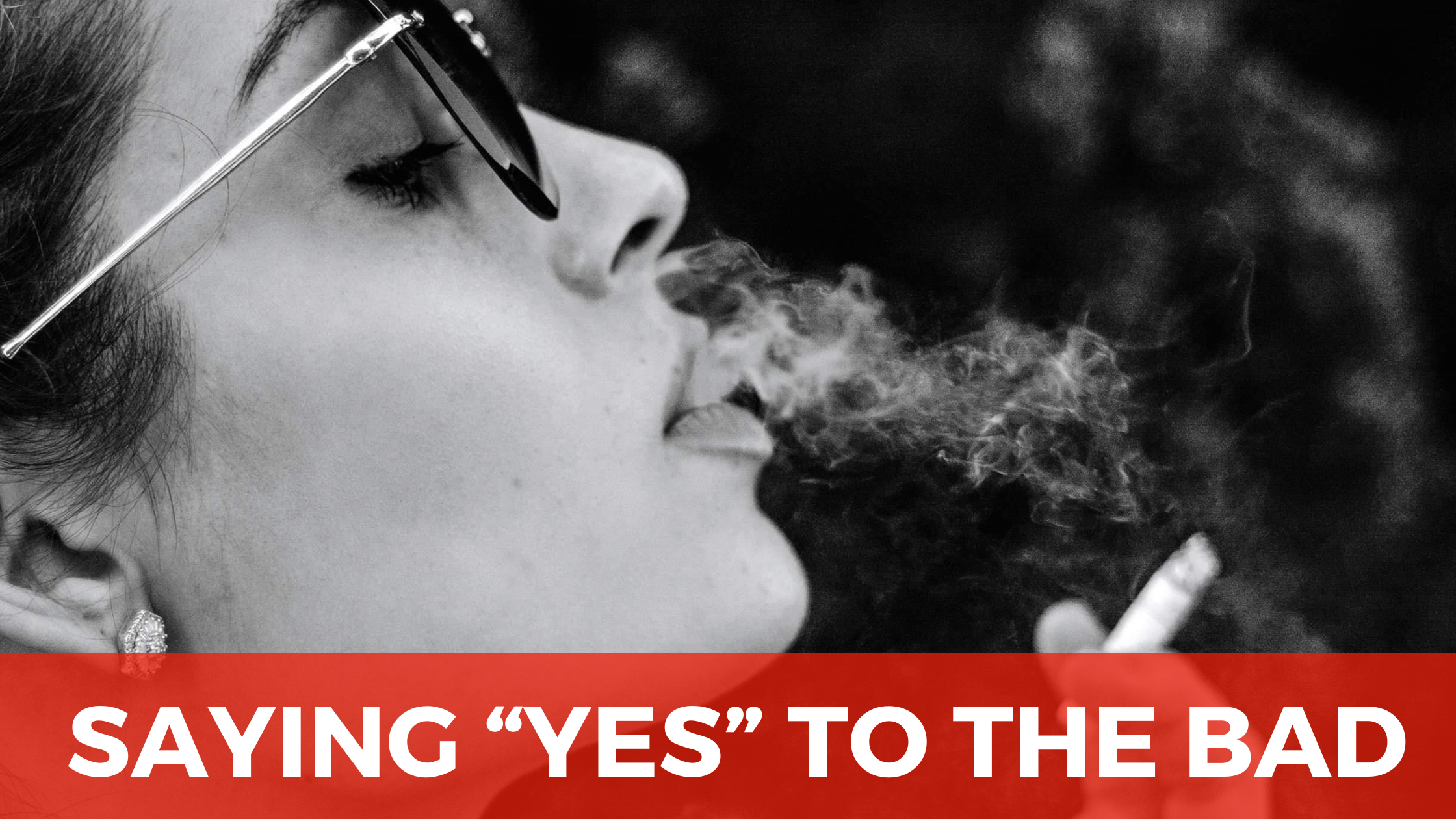
I almost gave in to the wrong side of compliance. “Sudesh, we have this crisis at work, and you are the one who can sort us.” Those were the words of one of the members of the Management team who wanted me to sign off on a bribe to an authority that was auditing the Company where I worked shortly after University. What was I supposed to do?
I had grown up hearing that you don’t say no to a boss. My peers dreaded saying “No” Now that I was going through the experience, it all seemed a strange double standard. I remember going home and talking to my mum about it, “Whatever you do, don’t go to prison or lose your job”, was all she could offer as counsel.
In their book “Boundaries: When to say yes, How to Say No to Take Control of Your Life” authors Henry Cloud and John Townsend highlight the fact that: When parents teach children that setting boundaries or saying no is bad, they are teaching them that others can do with them as they wish. They are sending their children defenseless into a world that contains much evil. Evil in the form of controlling, manipulative, and exploitative people. Evil in the form of temptations.
They further assert that, to feel safe in such an evil world, children need to have the power to say things like:
“No.”
“I disagree.”
“I will not.”
“I choose not to.”
“Stop that.”
“It hurts.”
“It’s wrong.”
“That’s bad.”
“I don’t like it when you touch me there.”
Blocking a child’s ability to say no handicaps that child for life. Adults with handicaps like I was confronted with can easily say yes to bad things.
This type of boundary conflict is called compliance. Compliant people have fuzzy and indistinct boundaries; they “melt” into the demands and needs of other people. They can’t stand alone, distinct from people who want something from them. Compliants, for example, pretend to like the same restaurants and movies their friends do “just to get along.” They minimize their differences with others so as not to rock the boat. Compliants are chameleons. After a while it’s hard to distinguish them from their environment.
Compliants at work sit in a meeting for three hours, tolerating useless discussions while saying nothing. They say yes to assignments that require them to take time away from their children. They complain about burnout to their peers while saying nothing to their bosses. A Compliant will tolerate a boss who flirts with them even when he/she feels disrespected.
The inability to say no to the bad is pervasive. Not only does it keep us from refusing evil in our lives, it often keeps us from recognizing evil. Many compliant people realize too late that they’re in a dangerous or abusive relationship. Their spiritual and emotional “radar” is broken; they have no ability to guard their hearts.
This type of boundary problem paralyzes people’s no muscles. Whenever they need to protect themselves by saying no, the word catches in their throats. This happens for a number of different reasons:
Fear of hurting the other person’s feelings
Fear of abandonment and separateness
A wish to be totally dependent on another
Fear of someone else’s anger
Fear of punishment
Fear of being shamed
Fear of being seen as bad or selfish
Fear of being unspiritual
Fear of one’s overstrict, critical conscience
This last fear is actually experienced as guilt. People who have an overstrict, critical conscience will condemn themselves for things God himself doesn’t condemn them for. When we give in to guilty feelings, we are complying with a harsh conscience. This fear of disobeying the harsh conscience translates into an inability to confront others—a saying yes to the bad—because it would cause more guilt.
If you have been raised to say “Yes” to bad things, undoing the pattern is going to feel strange at first. That is why I would recommend that you find a great Coach to guide you. But for those willing to give it a shot, here is how to start:
- Write a list of all the bad things you easily say “YES” to. If you doubt your judgment, ask a close person to verify.
- Assess the list based on “easy”, “medium”, and “Hard” in terms of undoing.
- Start with the simplest on the list; these could include unsubscribing from mailing lists, leaving WhatsApp groups, etc.
- Now it’s time to tackle the hard ones.
For Coaching contact me on +256773342324 or sudesh@consultsudesh.com





2 thoughts on “Saying “Yes” to the Bad”
Little did i know that this is a disorder and that it’s called compliance !
And yes, over the years it has so much costed my life and indeed by business.
Caused endless regrets and frustrations because of fear of being labeled “Selfish, proud, not serious ….”
But thanks you coach, let me embark on the journey of healing and restoration though it seems quite difficult in some areas .
Thank You!
It is difficult especially if you have operated like that over the years but not impossible. That is why i suggested a Coaching intervention for it